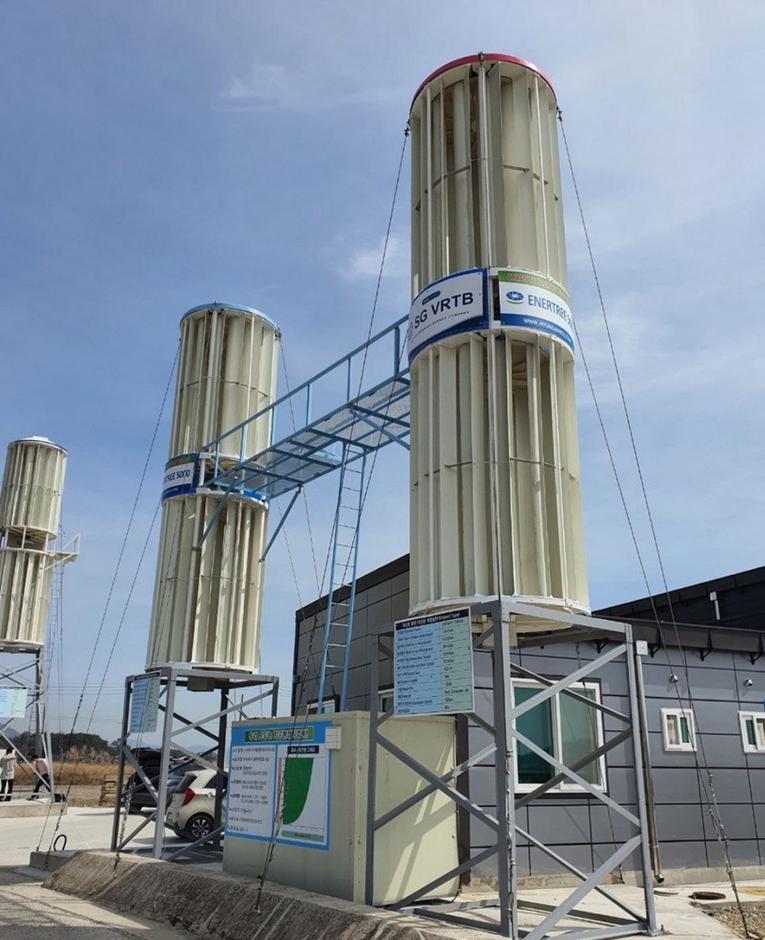
Advanced vertical-axis wind turbine systems for autonomous infrastructure and hybrid energy solutions.
Windrotor Bolotov Tech develops vertical-axis wind turbine systems designed for environments where conventional solutions fail - from remote infrastructure and telecom networks to coastal and urban installations.
We design and deploy vertical-axis wind turbine systems for conditions where reliability is critical - including remote infrastructure, turbulent airflow, and harsh operating environments.
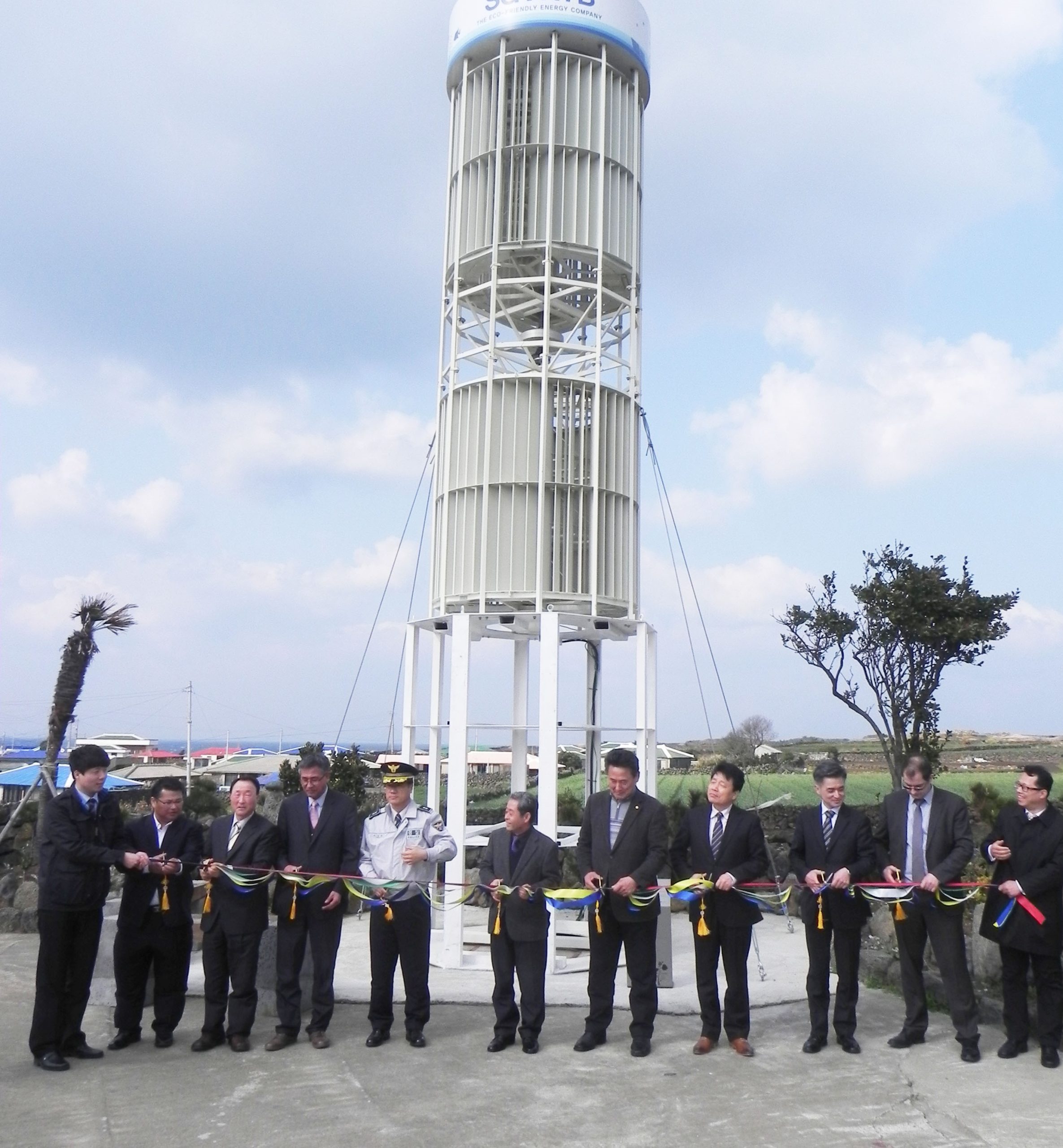
Windrotor Bolotov technology has been developed over more than 25 years through continuous engineering, testing, and real-world deployment. The focus has always been practical performance - not ideal conditions or theoretical models.
Founded in 2007, the company builds on a long development history across wind energy, industrial systems, and material processes. The result is a turbine design adapted for environments where stability and reliability matter more than peak efficiency under controlled conditions.
Today, WRTB systems are used in infrastructure projects where failure is not an option - including remote industrial sites, telecom networks, coastal installations, and urban environments with turbulent airflow.
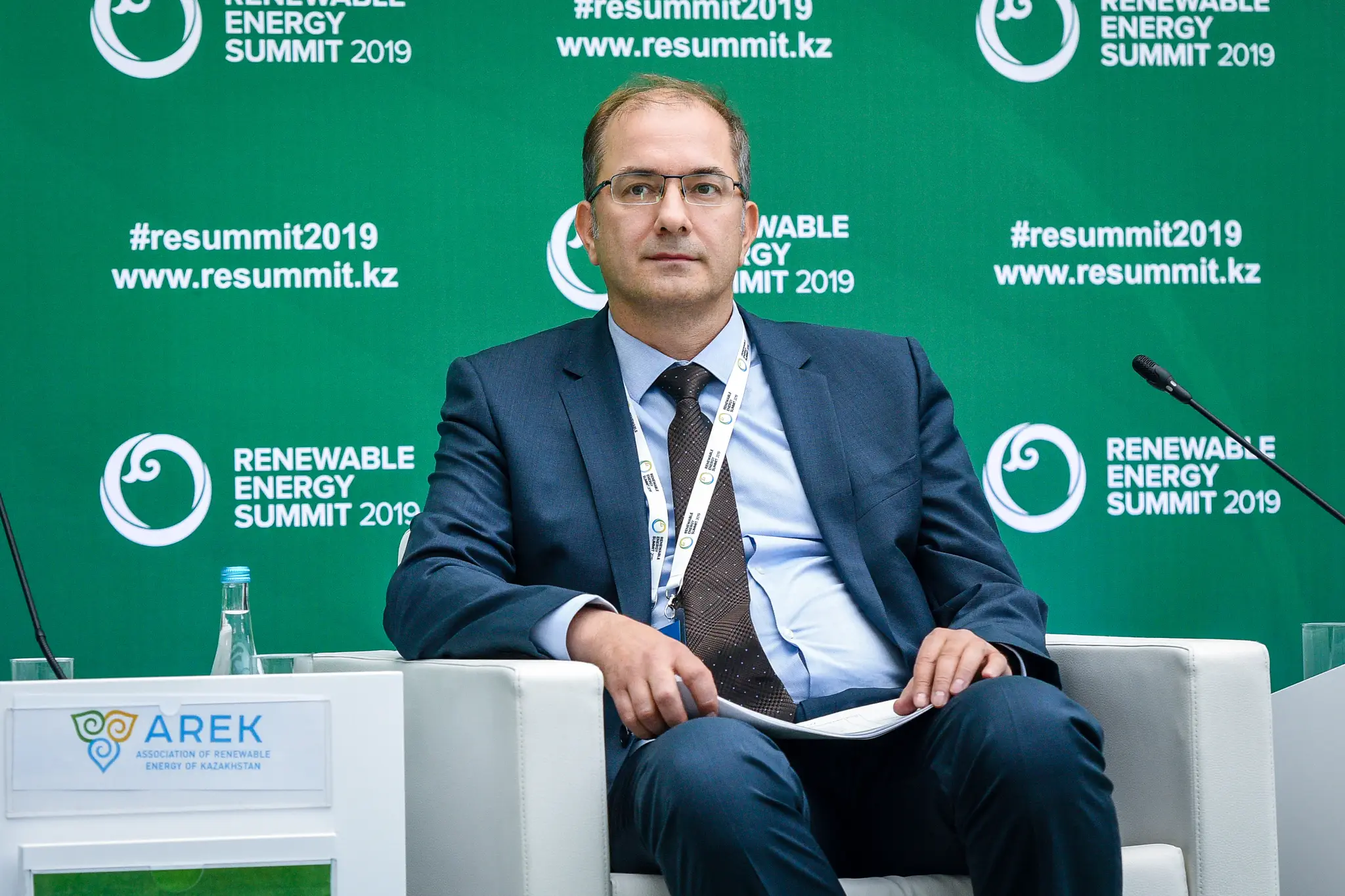
Sergey Bolotov is an engineer and inventor with a background in industrial metallurgy, plasma processes, and wind energy systems. His work focuses on technologies that can move from concept into real-world operation.
The WRTB vertical-axis wind turbine was originally developed together with his father, Academician Albert Bolotov — the first rector of Almaty Power Engineering University. Over the past 25 years, Sergey has continued to refine and deploy the system across multiple environments and applications.
His approach is practical: systems must operate reliably under real conditions, not ideal assumptions. This philosophy continues to define the design and deployment of WRTB technology today.
WRTB technology is designed for operating conditions where conventional systems face turbulence, exposure, downtime risk, or maintenance limitations.
Remote sites rely on diesel because failure is not an option. WRTB turbines integrate with solar and battery systems to reduce fuel dependency and improve long-term energy resilience.
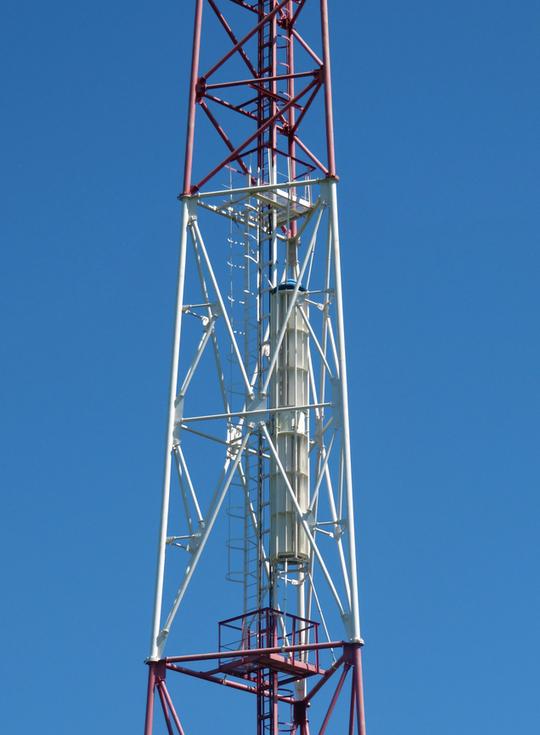
Telecom towers cannot afford unstable power. WRTB provides a simpler and more stable wind solution for remote communications infrastructure.
Coastal and marine sites expose equipment to salt, humidity, and storms. WRTB turbines are engineered for these demanding environments.
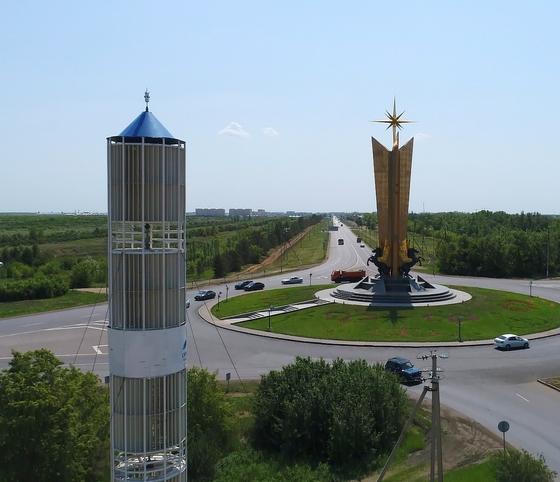
Urban wind often fails because of turbulence, vibration, and noise. WRTB is designed specifically for those constraints.
WRTB systems are deployed in conditions where reliability is critical and operating environments are far from ideal.
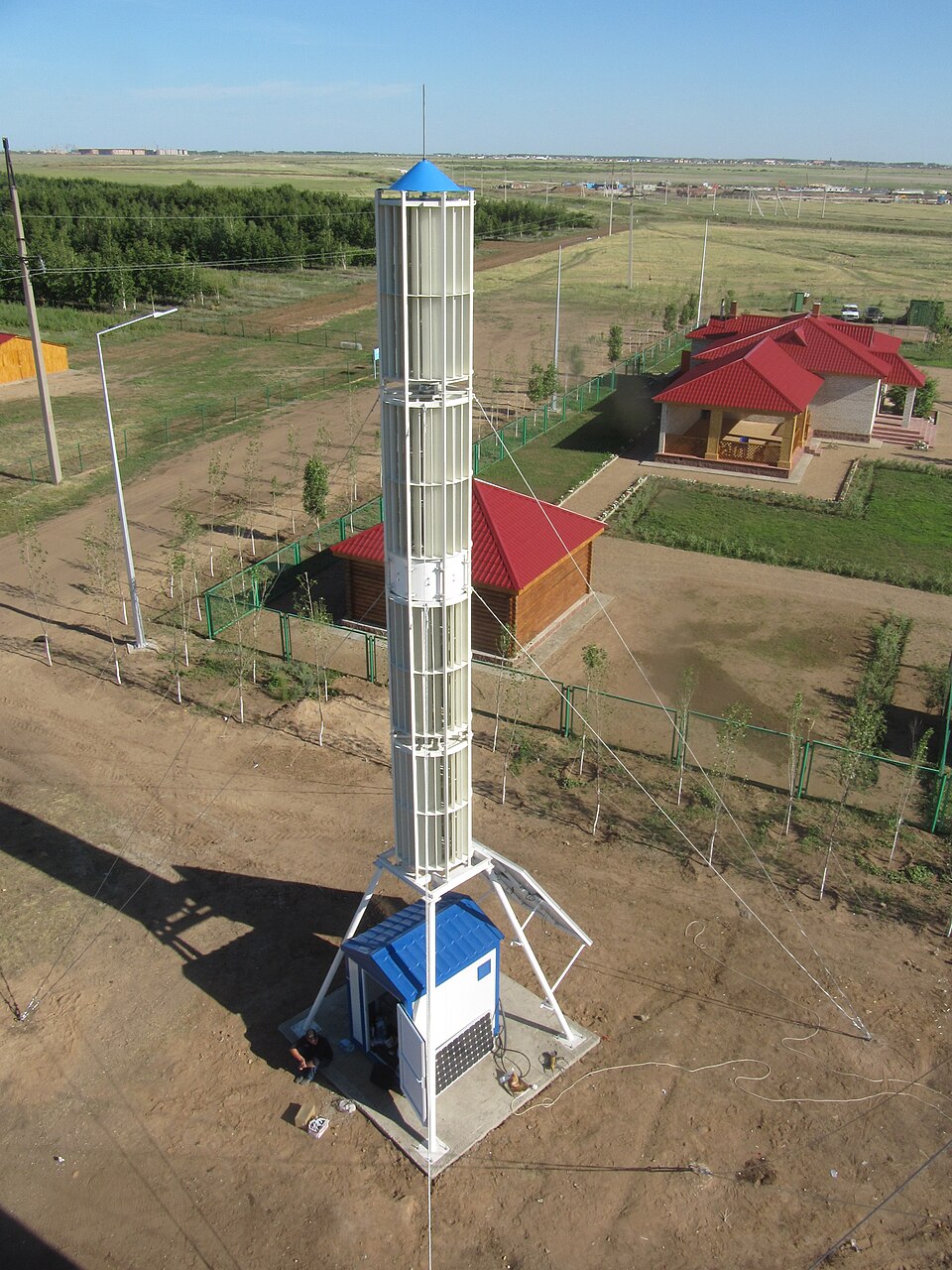
The WRTB turbine is the result of more than 25 years of engineering development, refinement, and practical deployment. Its design has evolved through real-world application rather than theoretical optimization alone.
The system was developed to address the limitations conventional wind technologies face in turbulent, remote, exposed, and infrastructure-driven environments. That includes reducing mechanical complexity, improving operating stability, and supporting long-term use with lower maintenance demands.
Today, WRTB technology represents a mature vertical-axis wind solution intended for applications where reliability matters more than ideal assumptions or laboratory performance.
We do not treat wind energy as a one-size-fits-all solution. Our approach is based on practical deployment, hybrid system thinking, and adaptation to the operating realities of each site.
WRTB technology is designed to work alongside solar, storage, and site-specific control strategies where integrated energy systems provide the most reliable outcome.
Every deployment is shaped by the actual conditions of the site - including turbulence, exposure, maintenance access, and long-term operating requirements.
The priority is not theoretical peak performance under ideal conditions, but dependable operation over time in places where downtime carries real cost.
WRTB is open to serious conversations with investors, strategic partners, and organizations interested in the practical deployment of advanced wind energy technology.
For those interested in supporting the next phase of growth, deployment, and technology expansion.
For organizations exploring collaboration in manufacturing, infrastructure, hybrid energy systems, or market development.
For groups interested in evaluating WRTB technology in real operating conditions and site-specific applications.
If your interest is aligned with long-term energy infrastructure and practical technology deployment, we would welcome the conversation.